
Condition
Depression
- Telehealth by Zoom
- Ages 5 and up
- Licensed in OR, WA, ME, FL
In short
Justin Bethoney, PMHNP approaches depression by building a timeline of how it began, looking at stress, past trauma, relationships and life demands, and checking for physical contributors to low energy such as iron deficiency, undereating, inflammation and poor sleep. Treatment often starts with an SSRI or related antidepressant, with supplements matched to any imbalances found.
- 01
How it took hold
A careful timeline of stress, past trauma, relationships and life demands.
- 02
Check the body's energy
Iron and other nutrient deficiencies, undereating, inflammation and poor sleep.
- 03
Taper when stable
After two to three months of stability, a slow stepwise taper is often discussed.
How depression took hold
Justin takes a careful history to map when depressive symptoms began and what was happening at the time: stress, past trauma, relationships and the demands of daily life.
Depression often brings a drop in motivation and energy to meet those demands, which in turn worsens mood. Breaking that cycle is a central goal.
The body's energy supply
Because energy production in the body matters for mood, Justin looks for common physical contributors, including:
- Iron and other nutrient deficiencies
- Undereating
- Chronic low-grade inflammation from food, toxins, stress or poor sleep
- Poor sleep
- Reduced blood flow to the brain
Treatment
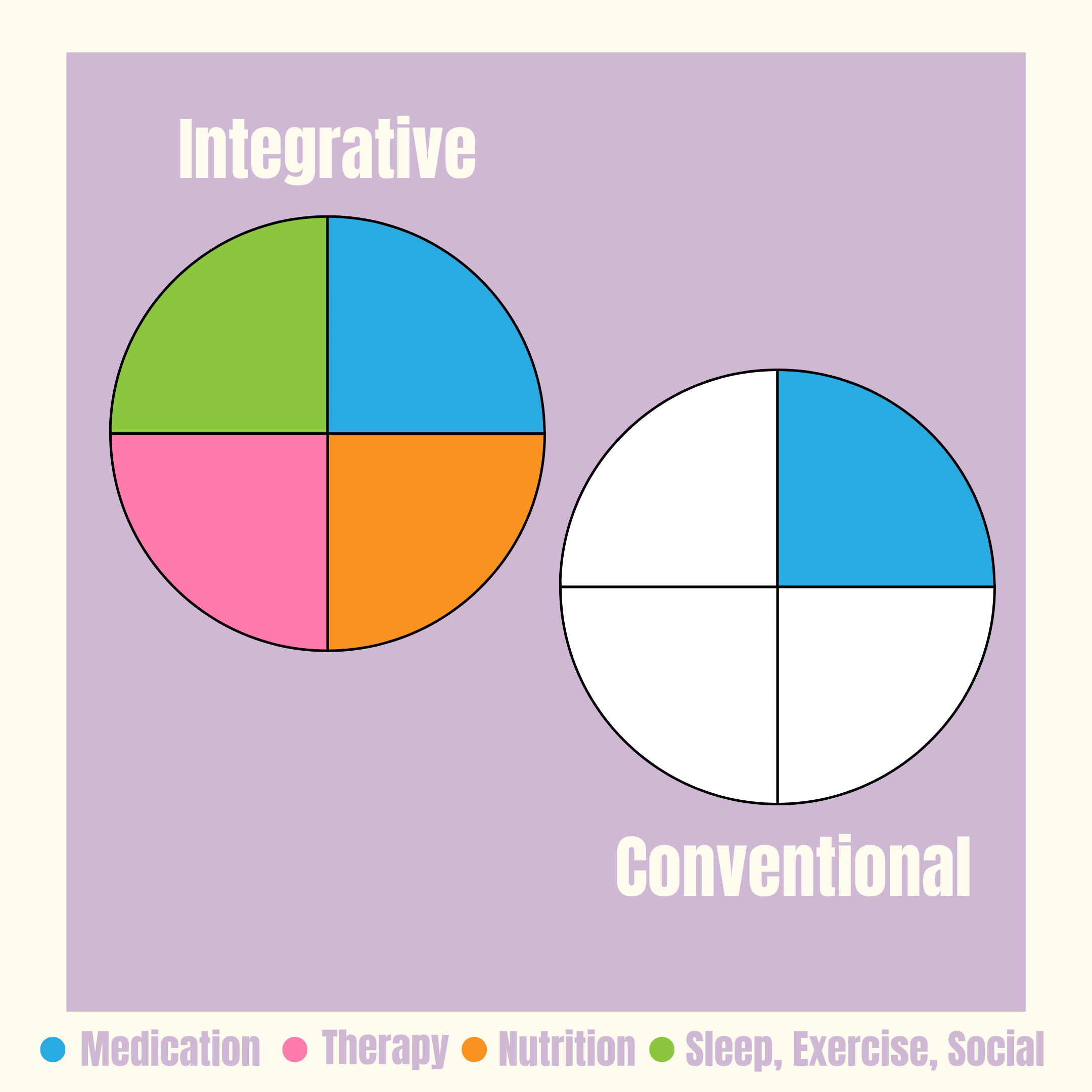
Justin often starts with an SSRI or a related antidepressant. Supplement recommendations follow whatever imbalances are unique to you, such as iron deficiency or inflammation. Therapy is part of every visit, and screening for ADHD is part of the assessment.
How Justin helps
From Justin's book, free to read
Go deeper in The Mental Wellness Diet
Common questions
What lab work might be checked for depression?
Will I be on antidepressants forever?


Ready to get to the root of it?
Complete the short screening form or leave a voicemail. Calls are returned within 24 hours on weekdays.
In crisis? Call or text 988, call 911, or go to the nearest emergency room.